Deep TMS Therapy
Deep TMS Therapy in Scarsdale, NY and Greenwich, CT Therapy
You have tried the medications. You have sat through the therapy sessions. Yet the fog remains, the anxiety persists, and restful sleep feels like a memory.
Deep transcranial magnetic stimulation offers a different path. SeeBeyond Medicine's Deep TMS program in Westchester and Fairfield County uses focused magnetic pulses to retrain the brain circuits behind depression, anxiety, OCD, and more than 30 other conditions, with a documented 91% patient response rate.
Credentials
Deep TMS Leadership
SeeBeyond Medicine operates one of the most comprehensive Deep TMS programs in the Northeast, addressing over 30 conditions including depression, anxiety, PTSD, OCD, ADHD, addiction, and eating disorders. Our triple board-certified founder, Dr. Hyun Joon Lee, has directed this program since 2006.
Measurable Outcomes, Not Promises
A 91% response rate reflects evidence-based protocols refined across thousands of treatment sessions. SeeBeyond Medicine tracks outcomes through validated clinical scales, not subjective impressions.
About This Service
Why Brain Stimulation?
Have you been feeling unmotivated, sad, and tired? Has depression left you feeling stuck? Have you tried an antidepressant only to get side effects with no relief? Have you been feeling anxious, or found it hard to focus and finish your work? Would you like to increase your focus, productivity, and cognitive function?
If you answered yes to any of these, Deep TMS at SeeBeyond Medicine may be your solution.
Chemistry Is Only Half the Story
For many people, medication and therapy do not deliver the relief they need. The root of the struggle is often a misfiring brain. Depression is both a brain chemistry imbalance and a brain circuit disorder.
Two systems shape your thoughts, moods, and behaviors: chemistry and electricity. Conventional care reaches for prescription after prescription to adjust brain chemistry, yet overlooks the electrical system running underneath. Chemical solutions cannot always fix electrical problems.
Electricity is a powerful intervention for depression. ECT has proven that for nearly a century, and nothing has surpassed it. Just as we charge our phones with electricity, sometimes the brain needs charging too. Deep TMS delivers that reset without sedation, seizures, or downtime.
What Is Deep TMS?
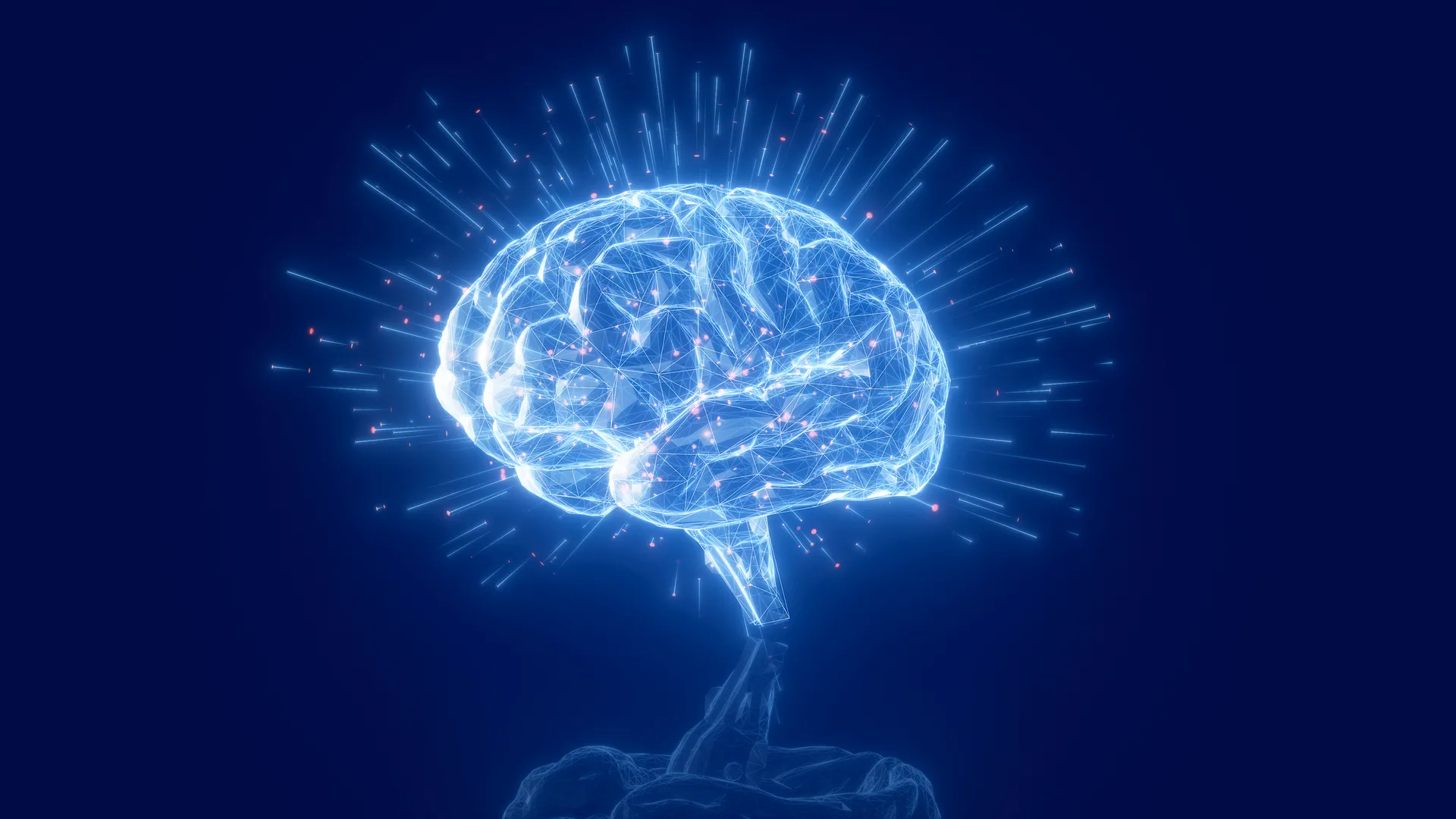
Deep transcranial magnetic stimulation is a non-surgical, non-invasive, and non-pharmacological treatment. It uses focused magnetic pulses, delivered through a cushioned helmet, to activate the brain circuits that regulate mood, behavior, and emotional response. Unlike ECT, Deep TMS causes no seizures and no memory loss. Unlike antidepressants, it avoids side effects such as weight gain and sexual dysfunction.
The technology was developed in 1995 and has been FDA-approved since 2008, with research support from institutions including Stanford, Harvard, and Oxford. At SeeBeyond Medicine, each protocol targets the specific neural circuits behind your diagnosis, symptom severity, and treatment history.
How Deep TMS Works
Deep TMS rebalances three brain networks that govern mood and behavior:
- Central Executive Network: Powers focus and decision-making. It runs underactive in depression, so Deep TMS turns it back up.
- Default Mode Network: Governs memory and self-reflection. It becomes overactive and fuels rumination, so Deep TMS quiets it.
- Salience Network: Decides what earns your attention. It overreacts in anxiety and addiction, so Deep TMS calms its signaling.
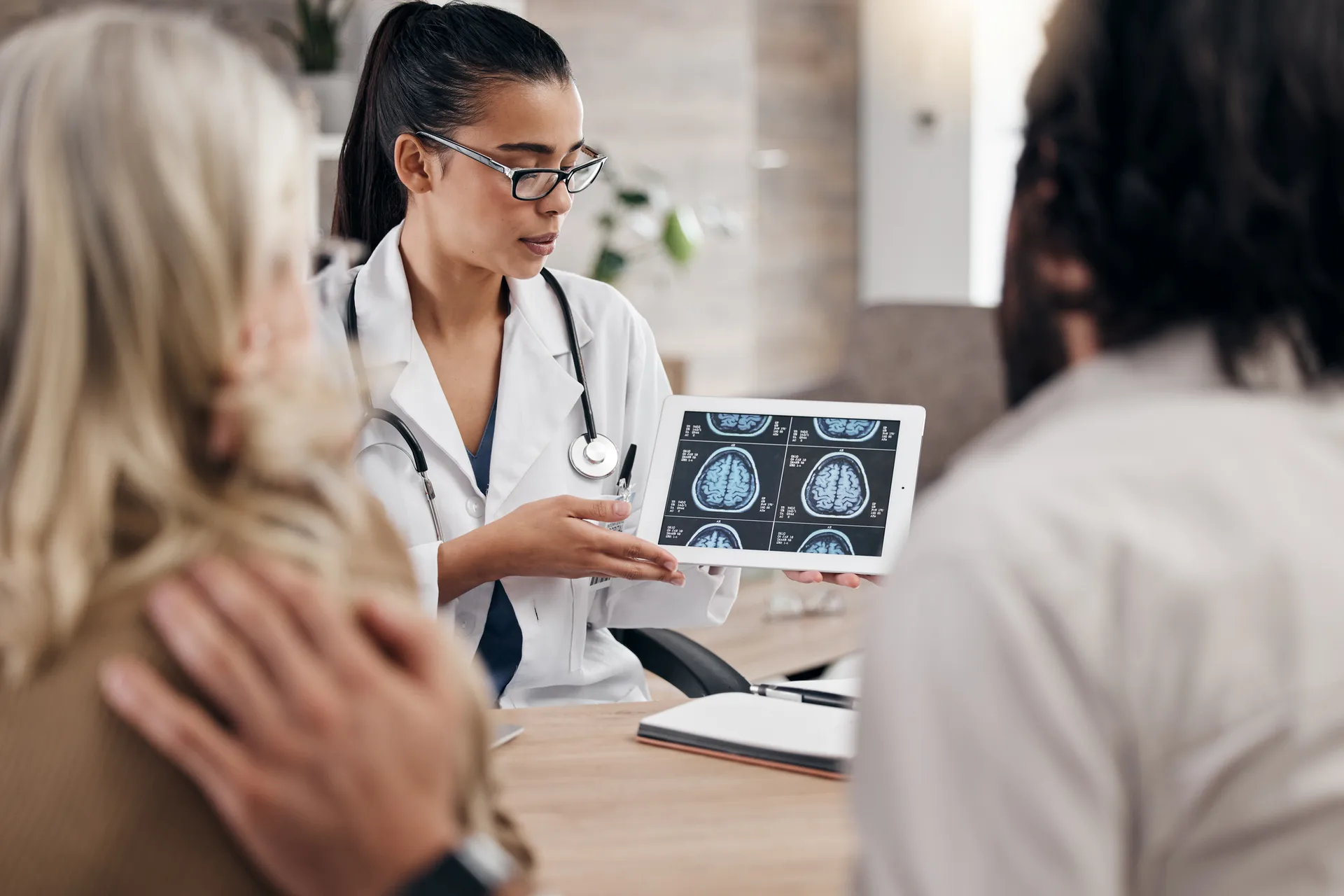
Patient receiving Deep TMS therapy at SeeBeyond Medicine
Why Choose Us
Benefits of Deep TMS Therapy
In the Chair
What to Expect During a Session
You relax in a treatment chair while a cushioned helmet positions the magnetic coil over the target region. Each pulse is roughly as strong as an MRI scanner but precisely focused, activating neurons and strengthening mood-regulating circuits the way exercise builds muscle.
Sessions run 5 to 12 minutes. Treatment is painless, needs no recovery time, and keeps you fully awake. You may hear a clicking sound and feel a gentle tapping. Deep TMS is approved for ages 12 and older.
Our Services
The SeeBeyond Difference
Neurotransmitter Testing
We measure serotonin, dopamine, and norepinephrine before and after your course, so treatment is guided by data rather than guesswork.
Calm IV Therapy
A magnesium and B-vitamin infusion eases anxiety and supports neurotransmitter production, delivered intravenously for immediate absorption.
Acupuncture Sessions
Paired with Deep TMS, acupuncture improves depression scores, lowers inflammation, and raises BDNF, a protein tied to brain plasticity.
Brain Health Coaching
Health coaches translate nutrition, sleep, and stress research into a daily plan that protects your results long after treatment ends.
Conditions Treated
Conditions We Treat
Deep TMS is FDA-approved for major depression and anxious depression. SeeBeyond Medicine also applies it, in collaboration with functional neurologists and psychiatrists, to a broad range of conditions supported by emerging research.
What Our Patients Say
Patient Experiences with Deep TMS Therapy
Real stories from patients who found answers.
Patients at SeeBeyond Medicine describe Deep TMS as transformative after years of trial-and-error medication management. Lifted mood, restored focus, deeper sleep, and reduced anxiety are among the most commonly reported outcomes across our Scarsdale and Greenwich offices.
Frequently Asked Questions
Common Questions
Is Deep TMS painful?
No. Most patients feel a gentle tapping sensation on the scalp. Sessions last 5 to 12 minutes with no downtime, and you stay awake throughout. SeeBeyond Medicine monitors comfort during every session.
How quickly does Deep TMS work?
Antidepressants often take 3 to 6 weeks to help. Many Deep TMS patients notice changes within 1 to 2 weeks, though a full course is recommended for lasting results.
What are the side effects of Deep TMS?
The most common are mild scalp discomfort or a brief headache in under 5% of patients. Deep TMS has no systemic side effects and does not affect digestion, sexual function, or metabolism.
Who should not have Deep TMS?
Patients with metal implants such as pacemakers, aneurysm clips, or stents, and those who are pregnant, require screening. SeeBeyond Medicine completes a full medical review before treatment begins.
Can I stay on my medication during Deep TMS?
In most cases, yes. Our physicians review your full medication profile and can continue, adjust, or taper prescriptions with your provider. Deep TMS can also be paired with a same-day Calm IV or ketamine infusion.
What is accelerated SWIFT TMS?
Standard Deep TMS runs daily over 6 to 8 weeks. The accelerated SWIFT protocol concentrates sessions to deliver comparable or superior results in a far shorter window, sometimes within a single day.
Complete Directory
All Brain Health
TMS Therapy
- TMS Therapy
- TMS for ADD
- TMS for Attention Disorders
- TMS for Autism Support
- TMS for Developmental Disorders
- TMS for Neurodevelopmental
- TMS for OCD
- TMS for PTSD
- TMS for Trauma Recovery
- TMS for BPD
- TMS for Personality Disorders
- TMS for Anxiety & Mood
- TMS for Eating Disorders
- TMS for Binge Eating
- TMS for Alcohol Addiction
- TMS for Smoking Cessation
- TMS for Substance Abuse
- TMS for Insomnia
- TMS for Tinnitus
- TMS for Concussion Recovery
- TMS for Post-Concussion
- TMS for CTE Recovery
- TMS for Brain Injury
- TMS for Chronic Brain Injury
- TMS for Stroke Rehab
- TMS for Chronic Fatigue
- TMS for Chronic Pain
- TMS for Migraines
- TMS for Lyme Neurological
- TMS for Post-Viral Recovery
- TMS for Weight Management
Other Brain Health
Take the First Step
Restore Your Brain. Reclaim Your Life.
SeeBeyond Medicine's Deep TMS program combines advanced brain stimulation with personalized care. Take the first step toward cognitive and emotional recovery.