TMS Therapy in Scarsdale, NY and Greenwich, CT
You have tried the medications. You have adjusted the dosages. Yet your neurological condition persists, because pills cannot retrain the brain circuits driving your symptoms. SeeBeyond Medicine's deep TMS therapy delivers FDA-cleared magnetic neurostimulation to 30+ conditions with a 91% response rate across our program.
Schedule your TMS therapy consultation at SeeBeyond Medicine in Scarsdale or Greenwich today.
Credentials
Trusted TMS Provider in Westchester and Fairfield County
Dr. Hyun Joon Lee is triple board-certified and has led SeeBeyond Medicine's integrative practice since 2006. Her clinical team matches each patient's neurological profile to a personalized deep TMS protocol, drawing on 20 years of whole-person treatment experience.
SeeBeyond Medicine offers TMS therapy at our Scarsdale, NY office and Greenwich, CT office.
About This Service
What Is Deep TMS Therapy?
Transcranial magnetic stimulation (TMS) is a noninvasive neurostimulation technique that uses focused magnetic pulses delivered through a coil placed on the scalp to induce electrical currents in targeted cortical and subcortical brain regions, modulating neuronal activity and synaptic plasticity.
SeeBeyond Medicine uses H-coil deep TMS technology, which reaches brain structures up to 4 centimeters beneath the skull. Standard figure-8 coils penetrate only about 1.5 centimeters. This deeper reach allows SeeBeyond Medicine to stimulate the subcortical circuits most relevant to treatment-resistant conditions.
Our deep TMS protocols hold FDA clearance for major depressive disorder, obsessive-compulsive disorder, and smoking cessation. SeeBeyond Medicine also applies evidence-based protocols for 30+ additional conditions under physician supervision.
Why Brain Stimulation?
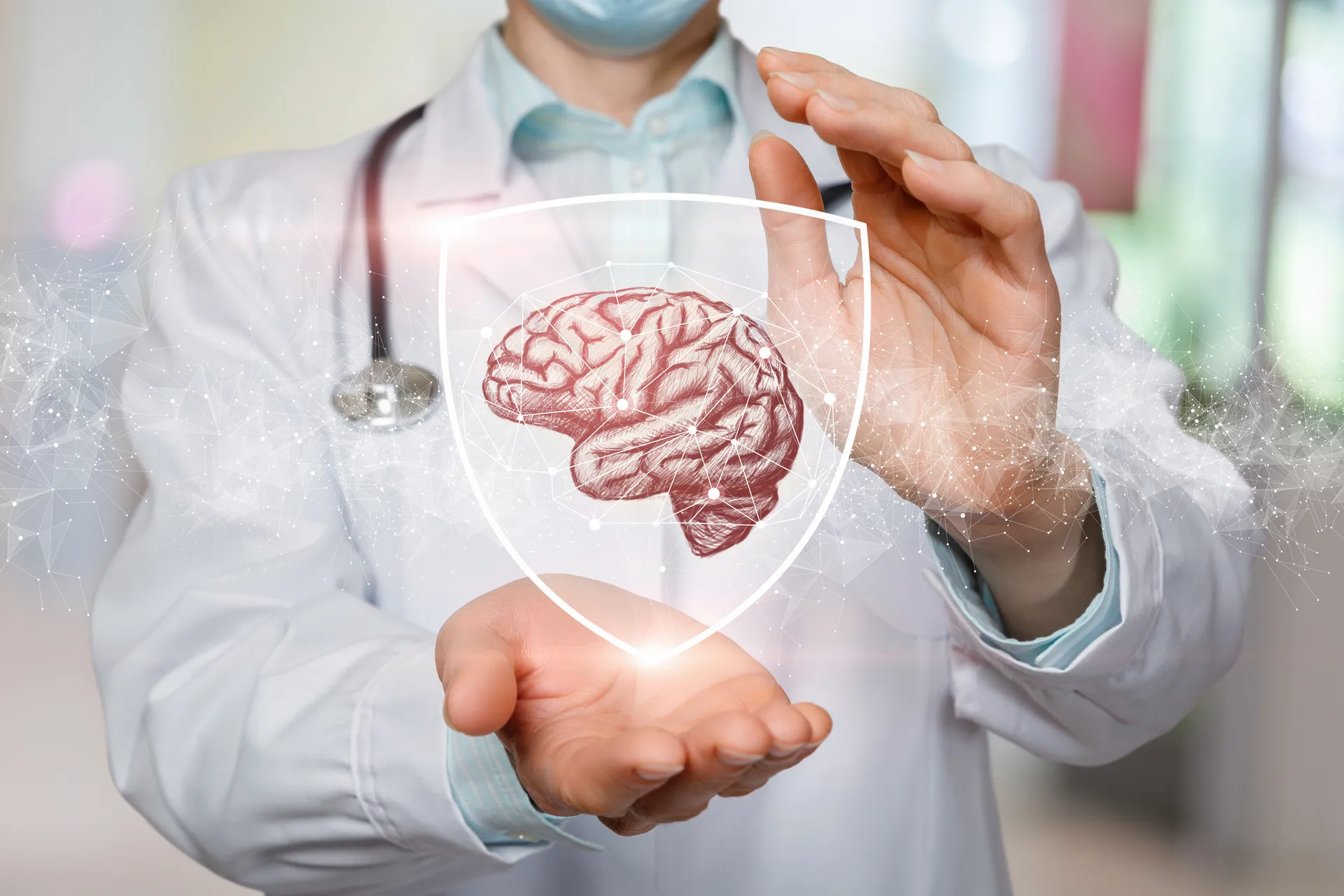
Depression is both a brain chemistry imbalance and a brain circuit disorder. Two systems shape your thoughts, moods, and behaviors: chemistry and electricity. Medication changes the chemistry, yet many patients still struggle — because chemical solutions cannot always fix electrical problems. Focused magnetic stimulation addresses the circuit side directly, retraining the networks that medication cannot reach. Developed in 1995, FDA-approved since 2008, and backed by research from Stanford, Harvard, and Oxford, TMS has been used by hundreds of thousands of people worldwide.
The Three Brain Networks TMS Retrains
The Central Executive Network — the brain's commander-in-chief. The dorsolateral prefrontal cortex governs focus, planning, and problem-solving. In depression it becomes underactive, producing mental fog, indecision, and the feeling of being stuck. TMS turns the volume back up on this network, restoring the motivation to engage with life.
The Default Mode Network — the rumination factory. The medial and parietal regions of the brain control internal thoughts, memories, and self-reflection. In depression and OCD this network becomes overactive and poorly connected to the executive network, trapping you in cycles of negative thinking. TMS dampens that overactivity, helping you break free from uncontrollable thoughts.
The Salience Network — the emotional switchboard. This hub decides what deserves your attention and switches the brain between the other two networks. When it is overactive, minor problems feel like major threats, and cravings take on outsized priority. TMS calms the salience network, reducing emotional reactivity and restoring control over impulses and cravings.
The SeeBeyond Enhanced TMS Protocol
Most TMS clinics offer magnetic stimulation alone. SeeBeyond Medicine surrounds every TMS course with functional medicine support, because combining TMS with complementary therapies produces remission rates up to 75% higher than single-treatment approaches:
- Neurotransmitter testing before and after treatment — measuring serotonin, dopamine, and norepinephrine markers to track real, objective change in your brain chemistry
- Calm IV therapy — magnesium and B-vitamin infusions that support neurotransmitter production and relaxation throughout your course
- Acupuncture sessions — shown to improve depression scores and raise BDNF, the protein that drives brain plasticity, when combined with TMS
- Health coach brain health sessions — evidence-based nutrition, sleep, and stress strategies that protect your results long after the final session
Conditions Treated
Conditions Treated with Deep TMS at SeeBeyond Medicine
SeeBeyond Medicine applies deep TMS therapy across psychiatric, neurological, neurodevelopmental, and pain conditions. Our program treats the following:
Psychiatric and Mood Disorders: Major depression, treatment-resistant depression, anxiety disorders, OCD, PTSD, borderline personality disorder, and bipolar depression support.
Addiction and Behavioral Health: Smoking cessation (FDA-cleared), alcohol dependence, substance use disorders, and eating disorders including binge eating.
Neurological Conditions: Chronic pain, migraines, tinnitus, insomnia, Lyme-related neurological symptoms, and post-viral neurological symptoms. SeeBeyond Medicine treats these with targeted circuit-specific protocols.
Neurodevelopmental and Rehabilitative: ADHD, autism spectrum support, developmental delays, concussion recovery, stroke rehabilitation, traumatic brain injury, and chronic traumatic encephalopathy recovery.
Fatigue and Cognitive Dysfunction: Chronic fatigue syndrome, brain fog, and post-concussion cognitive impairment. SeeBeyond Medicine pairs TMS with functional medicine diagnostics for root-cause treatment.
Even if you have been told that your condition does not respond to treatment, deep TMS may activate neural pathways that medications cannot reach. Contact SeeBeyond Medicine to discuss your candidacy.
Every condition above has a dedicated program page — browse the complete list on our Brain Health hub.
Benefits
91% Response Rate Across 30+ Conditions
What to Expect
Your Journey
01.
1. Neuropsychiatric Evaluation
Your SeeBeyond Medicine physician reviews your diagnosis, symptom history, medication trials, and prior treatment responses. Validated clinical scales measure baseline severity to track your progress.
02.
2. Personalized Protocol Design
SeeBeyond Medicine maps your target brain region and selects the H-coil protocol matched to your condition. Stimulation frequency, intensity, and pulse count are calibrated to your neurological profile.
03.
3. Treatment Sessions
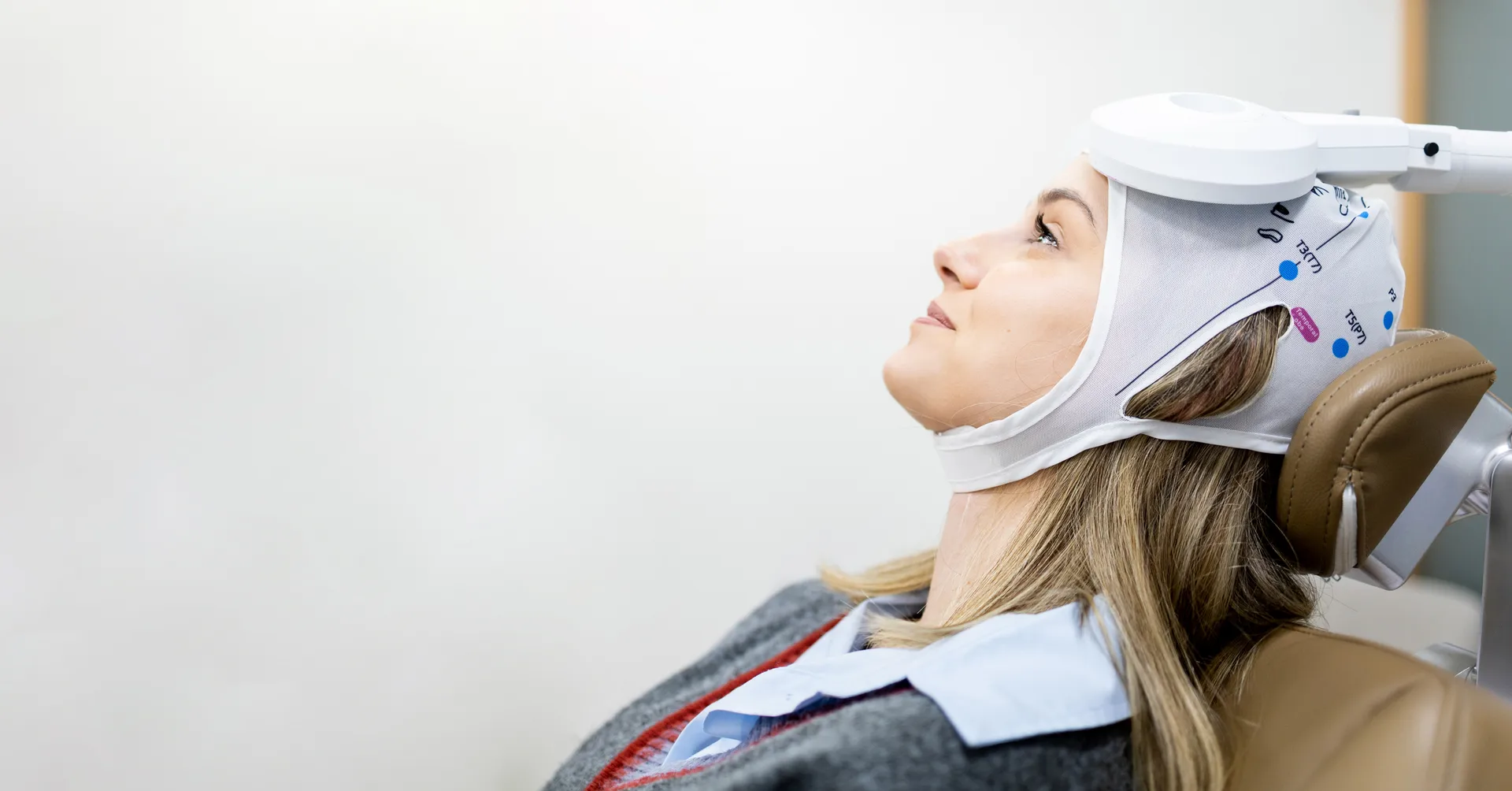
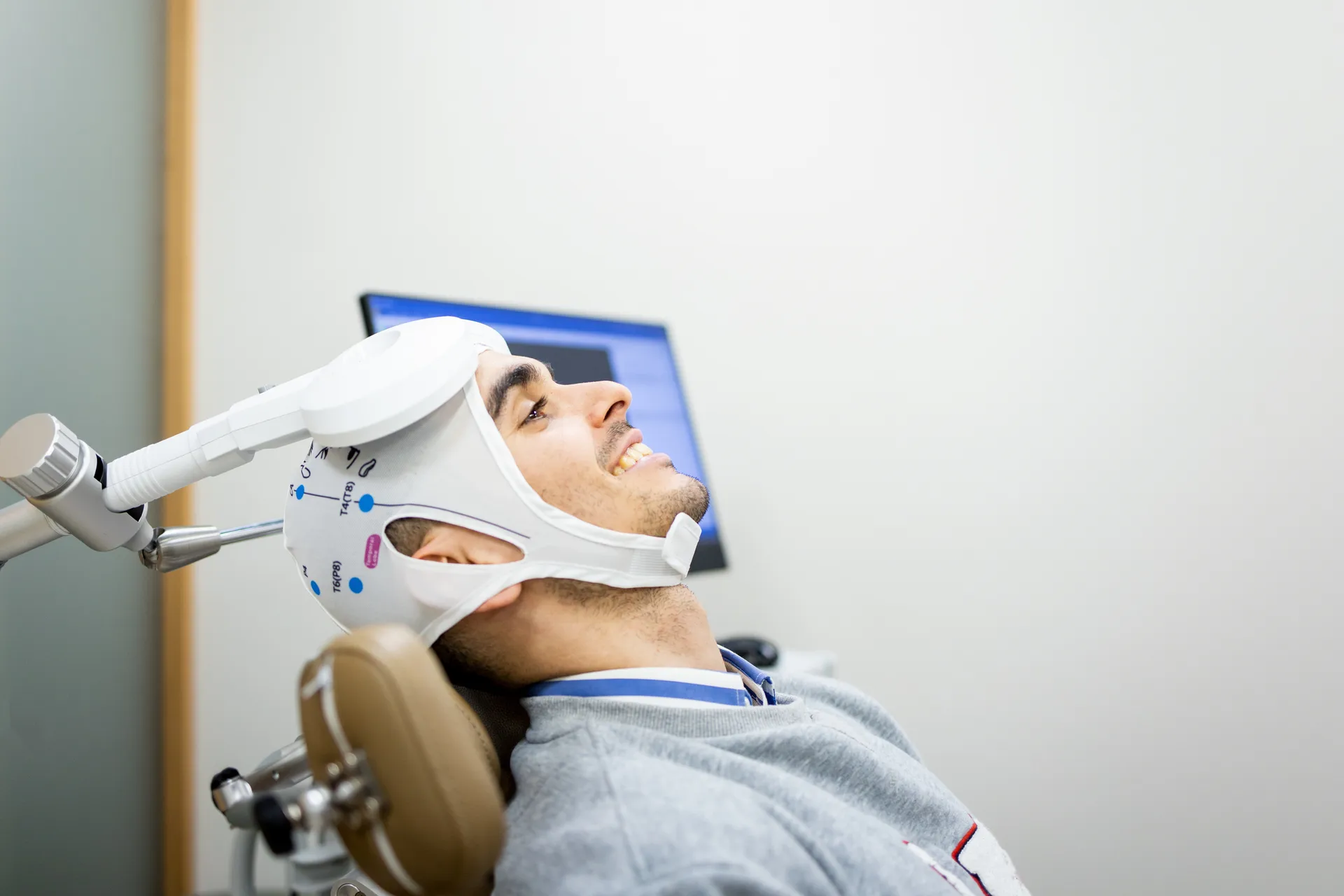
Each deep TMS session at SeeBeyond Medicine lasts approximately 20 minutes. You sit comfortably while the H-coil helmet delivers focused magnetic pulses. No sedation or recovery time is needed. Most patients describe only a mild tapping sensation on the scalp. A standard TMS course consists of 20 to 36 sessions over 4 to 6 weeks. SeeBeyond Medicine may recommend maintenance sessions based on your response and condition type.
What Our Patients Say
What Patients Say About TMS at SeeBeyond Medicine
Real stories from patients who found answers.
"I tried three medications over two years for depression. Nothing worked long enough. After my TMS sessions at SeeBeyond Medicine, something shifted. My energy came back, my thinking cleared, and I finally felt like myself again."
Patients at SeeBeyond Medicine consistently describe meaningful symptom improvement by the second or third week of treatment. Many had experienced years of incomplete response to medication alone before starting TMS.
Patient Video Stories
Frequently Asked Questions
Common Questions
Does TMS therapy hurt?
Most patients at SeeBeyond Medicine describe a tapping or clicking sensation on the scalp during treatment. Discomfort is mild and typically diminishes after the first few sessions. No anesthesia is needed.
Is deep TMS the same as regular TMS?
No. Deep TMS uses H-coil technology to reach brain structures up to 4 centimeters below the skull surface. Conventional figure-8 coils penetrate only about 1.5 centimeters. SeeBeyond Medicine uses deep TMS for broader and deeper neural circuit engagement.
How many sessions will I need?
A standard TMS course at SeeBeyond Medicine consists of 20 to 36 sessions over 4 to 6 weeks. Your physician adjusts the course length based on your condition and clinical response.
Is TMS covered by insurance?
FDA-cleared TMS for depression and OCD is covered by many insurance plans. SeeBeyond Medicine's team verifies your coverage and manages prior authorization on your behalf.
Can I continue my medications during TMS?
Yes. TMS is compatible with most psychiatric medications, including SSRIs, SNRIs, and mood stabilizers. Your SeeBeyond Medicine physician coordinates TMS with your existing treatment plan.
What conditions respond best to deep TMS?
Depression, OCD, and smoking cessation have the strongest FDA-cleared evidence. SeeBeyond Medicine also sees strong clinical responses in anxiety, PTSD, ADHD, chronic pain, and insomnia using evidence-based protocols.
How is TMS different from ECT?
TMS causes no seizures, no memory loss, and requires no anesthesia. Unlike electroconvulsive therapy, you remain fully awake during treatment and return to normal activities immediately. TMS also avoids the systemic side effects of antidepressants, such as gastrointestinal problems, weight gain, and sexual dysfunction.
How quickly does TMS work compared to antidepressants?
Antidepressants typically take 3 to 6 weeks to show improvement. Many TMS patients notice changes in mood and energy within the first 1 to 2 weeks. In patients who have not responded to two or three antidepressants, response rates to TMS reach up to 70%, compared to roughly 15% for trying another medication. Over 264 million people globally live with depression or anxiety — and TMS has held FDA approval for over 15 years.
What is Accelerated SWIFT TMS?
Accelerated SWIFT TMS condenses a full treatment course into a single day of concentrated, high-intensity sessions, delivering comparable or superior outcomes to the standard multi-week schedule. Patients often experience symptom reduction within days, with far less disruption to work, school, and family life. SeeBeyond Medicine offers both standard and accelerated protocols.
What are the side effects of TMS?
The most common effects are mild scalp discomfort or tingling and occasional headache — occurring in under 5% of patients and typically resolving within a few sessions. Seizures are extremely rare with modern protocols and strict screening. TMS has no systemic side effects: no impact on digestion, sexual function, cognition, or metabolism, and no allergic reactions.
Who should not have TMS?
TMS is not recommended for patients with metal implants near the head — such as aneurysm clips, pacemakers, or stents — or during pregnancy. SeeBeyond Medicine performs a full medical screening before treatment begins. TMS is safe for patients aged 12 and older.
Can TMS be combined with ketamine or used to taper off medication?
Yes. TMS can be scheduled on the same day as a ketamine IV infusion, and your SeeBeyond Medicine physician can design your course to support tapering off antidepressants — or you can remain on your current medication throughout treatment.
Related Services
Related Services at SeeBeyond Medicine
Deep TMS therapy connects with our broader brain health and functional medicine programs:
- Brain Health Hub, our comprehensive neurological wellness program
- TMS for Chronic Fatigue, targeted neurostimulation for ME/CFS and post-viral fatigue
- TMS for Neurodevelopmental Conditions, deep TMS for ADHD, autism support, and developmental delays
- TMS Smoking Cessation, the FDA-cleared protocol for tobacco dependence
- Ketamine Therapy, which can be combined with TMS on the same day
Take the First Step
Start TMS Therapy at SeeBeyond Medicine in Scarsdale or Greenwich
Your brain responds to the right signal. Even if previous treatments have not worked, deep TMS may reach the circuits that medication cannot. Schedule your TMS therapy consultation at our Scarsdale, NY office or Greenwich, CT office.