
Sleep Study Test in Scarsdale, NY and Greenwich, CT
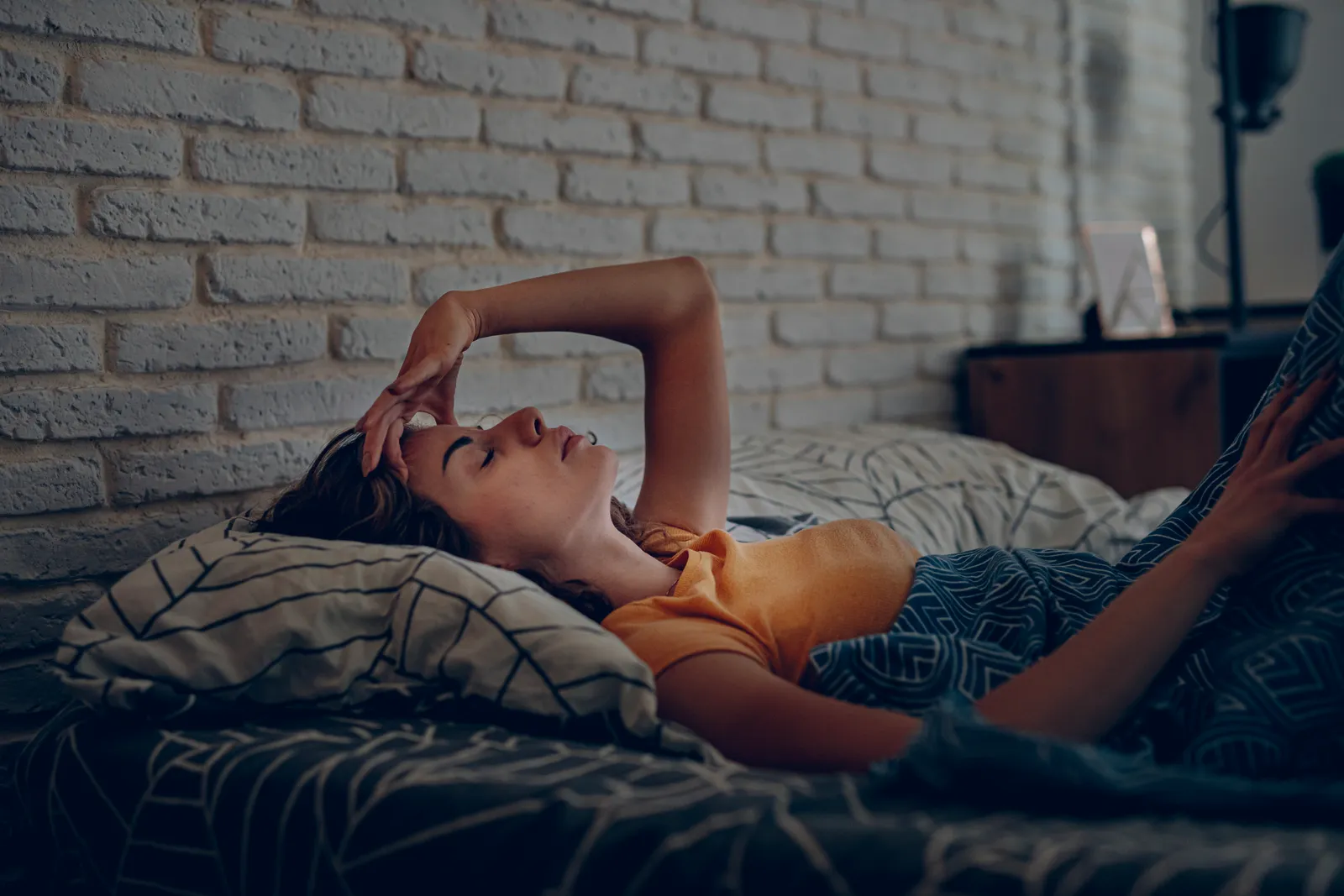
You slept eight hours and woke up exhausted. You follow every sleep hygiene rule, yet morning fatigue persists. The problem is not willpower. It is physiological, and guessing will never resolve it.
SeeBeyond Medicine's sleep study testing in Westchester and Fairfield County replaces speculation with objective polysomnography data. Our integrative physicians identify the root-cause disruptions behind unrefreshing sleep.
Schedule your sleep study evaluation at SeeBeyond Medicine in Scarsdale or Greenwich.
Credentials
Expert Sleep Diagnostics at SeeBeyond Medicine
Dr. Hyun Joon Lee holds triple board certification in Family Medicine, Integrative Holistic Medicine, and Obesity Medicine. Since founding SeeBeyond Medicine in 2006, he has evaluated sleep complaints in over 20,000 patients using a whole-person diagnostic model.
Sleep testing at our Scarsdale, NY office and Greenwich, CT office pairs with functional medicine panels. SeeBeyond Medicine interprets every result through an integrative lens that considers hormonal, metabolic, and neurological factors together.
About This Service
What Is a Sleep Study Test?
Polysomnography (PSG) is a multi-parametric diagnostic study that simultaneously records electroencephalography (EEG), electrooculography (EOG), electromyography (EMG), respiratory airflow, thoracoabdominal effort, pulse oximetry, and body position during sleep to identify pathological sleep architecture.
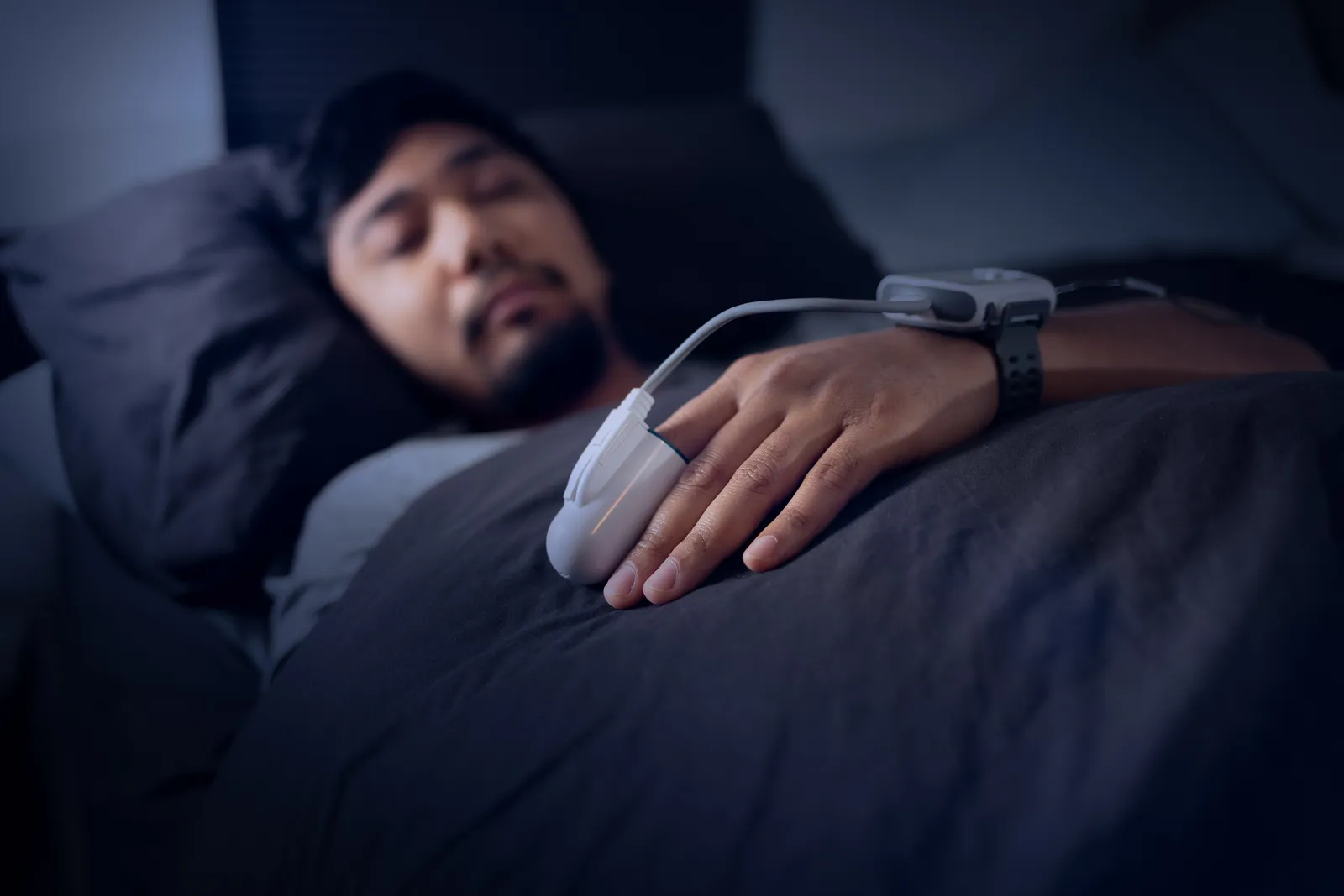
SeeBeyond Medicine offers both in-lab polysomnography and at-home sleep apnea testing (HSAT). In-lab studies capture the full range of sleep data. HSAT provides a convenient screening option for patients with a high clinical suspicion of obstructive sleep apnea.
Our evidence-based approach combines sleep study results with neurotransmitter testing and functional medicine workups. SeeBeyond Medicine uses this integrative framework to treat causes, not just symptoms.
Conditions Treated
Conditions Diagnosed Through Sleep Testing
SeeBeyond Medicine's sleep studies detect obstructive sleep apnea, central sleep apnea, and upper airway resistance syndrome. The Apnea-Hypopnea Index (AHI) and oxygen desaturation index (ODI) quantify severity and guide treatment decisions.
Testing also identifies restless leg syndrome, periodic limb movement disorder, narcolepsy, and REM behavior disorder. SeeBeyond Medicine evaluates REM sleep architecture to detect parasomnias and circadian disruptions that standard screening misses.
Functional correlates often include cortisol dysregulation, thyroid dysfunction, and neurotransmitter imbalances. SeeBeyond Medicine tests for these contributing factors alongside sleep data.
Benefits
Objective Data Over Guesswork
Objective Data Over Guesswork
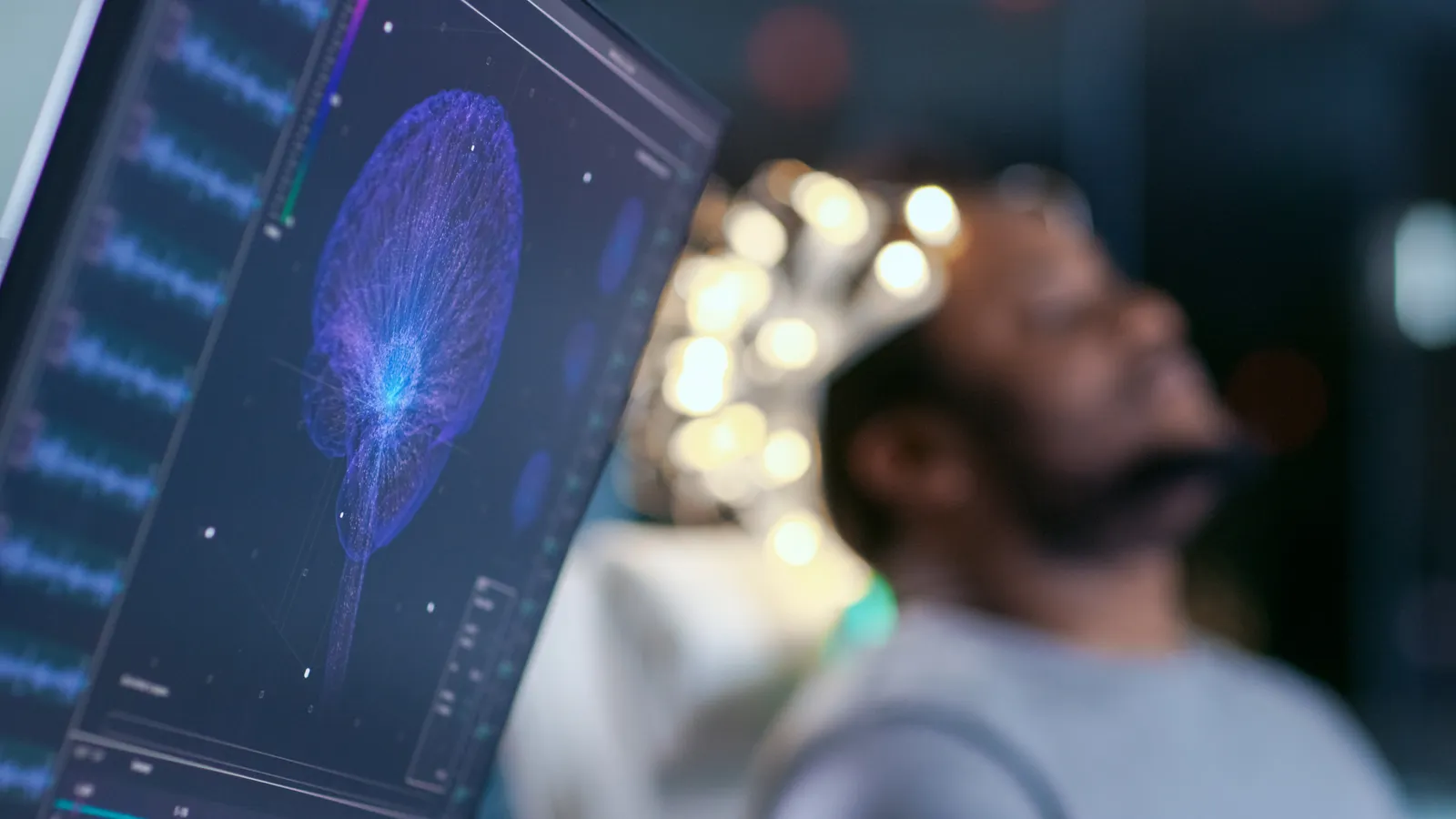
Polysomnography records EEG brain wave patterns, respiratory events, and oxygen levels throughout the night. SeeBeyond Medicine replaces subjective symptom tracking with measurable physiological data.
Personalized Testing Options
Not every patient needs an overnight lab stay. SeeBeyond Medicine offers both in-lab polysomnography and at-home HSAT, selecting the right study based on your clinical profile and symptoms.
Integrative Root-Cause Analysis
Sleep data alone tells only part of the story. SeeBeyond Medicine pairs polysomnography results with functional labs, neurotransmitter panels, and hormonal assessments for a whole-person diagnostic picture.
What to Expect
Your Journey
01.
Our Sleep Study Process
1. Initial Consultation. Your SeeBeyond Medicine physician reviews your sleep history, daytime symptoms, and health goals. Functional medicine labs may be ordered alongside the sleep study for comprehensive analysis. 2. Sleep Study Administration. EEG, EOG, EMG, respiratory airflow, pulse oximetry, and body position sensors record your sleep architecture overnight. SeeBeyond Medicine coordinates with accredited sleep facilities for clinical-grade in-lab studies or provides at-home HSAT devices. 3. Results Interpretation and Treatment Plan. Your physician analyzes AHI scores, oxygen desaturation patterns, and REM staging in the context of your functional lab results. SeeBeyond Medicine builds a personalized treatment protocol targeting every identified contributor, from CPAP therapy to hormone optimization and targeted supplementation.
02.
2. Sleep Study Administration
The sleep study records brain activity, oxygen saturation, respiratory effort, and muscle movement overnight. SeeBeyond Medicine coordinates with accredited sleep facilities for clinical-grade results.
03.
3. Results Interpretation
Your physician analyzes polysomnography data in the context of your functional lab results. SeeBeyond Medicine identifies both primary sleep disorders and underlying metabolic or hormonal contributors.
04.
4. Treatment Protocol
A personalized sleep restoration plan may include hormone optimization, targeted supplementation, behavioral interventions, or referral for CPAP therapy. SeeBeyond Medicine monitors progress with follow-up testing.
What Our Patients Say
What Our Patients Experience
Real stories from patients who found answers.
"I told every doctor I was sleeping enough but still felt terrible. SeeBeyond Medicine ran a sleep study and found moderate obstructive sleep apnea that no one had tested for. Three months into treatment, I finally wake up feeling rested."
Patients at SeeBeyond Medicine report improved sleep quality, restored daytime energy, and resolution of symptoms they had attributed to aging or stress. Objective sleep metrics guide every treatment adjustment at SeeBeyond Medicine.
Frequently Asked Questions
Common Questions
Do I need a referral for a sleep study at SeeBeyond Medicine?
No outside referral is required. SeeBeyond Medicine orders sleep studies directly as part of your integrative care plan.
What is the difference between in-lab and at-home sleep testing?
In-lab polysomnography records EEG, EOG, EMG, respiratory effort, and oxygen levels with clinical-grade sensors. At-home HSAT focuses on respiratory events and oxygen saturation. SeeBeyond Medicine recommends the appropriate study based on your symptoms and clinical history.
How long does a sleep study take?
An overnight polysomnography records one full sleep cycle, typically 6 to 8 hours. SeeBeyond Medicine reviews results within 1 to 2 weeks and schedules your follow-up consultation.
Will insurance cover my sleep study?
Many insurance plans cover medically necessary sleep studies. SeeBeyond Medicine's team verifies your coverage before scheduling the test.
Even if I do not snore, should I consider a sleep study?
Yes. Conditions like central sleep apnea, periodic limb movement disorder, and narcolepsy do not always involve snoring. SeeBeyond Medicine recommends sleep testing for anyone with persistent fatigue, unrefreshing sleep, or unexplained daytime sleepiness.
Related Services
Related Services at SeeBeyond Medicine
Patients who complete sleep testing often benefit from neurotransmitter testing to evaluate brain chemistry contributing to sleep disruption, brain health services for comprehensive neurological assessment, and TMS for insomnia for non-medication sleep restoration.
Take the First Step
Schedule Your Sleep Study at SeeBeyond Medicine
Poor sleep has measurable causes, and measurable solutions. Even if you have tried everything, objective polysomnography data can reveal what you have been missing.
Book your sleep study evaluation at our Scarsdale, NY office or Greenwich, CT office.