Chronic Brain Injury Support with Deep TMS in Scarsdale, NY and Greenwich, CT
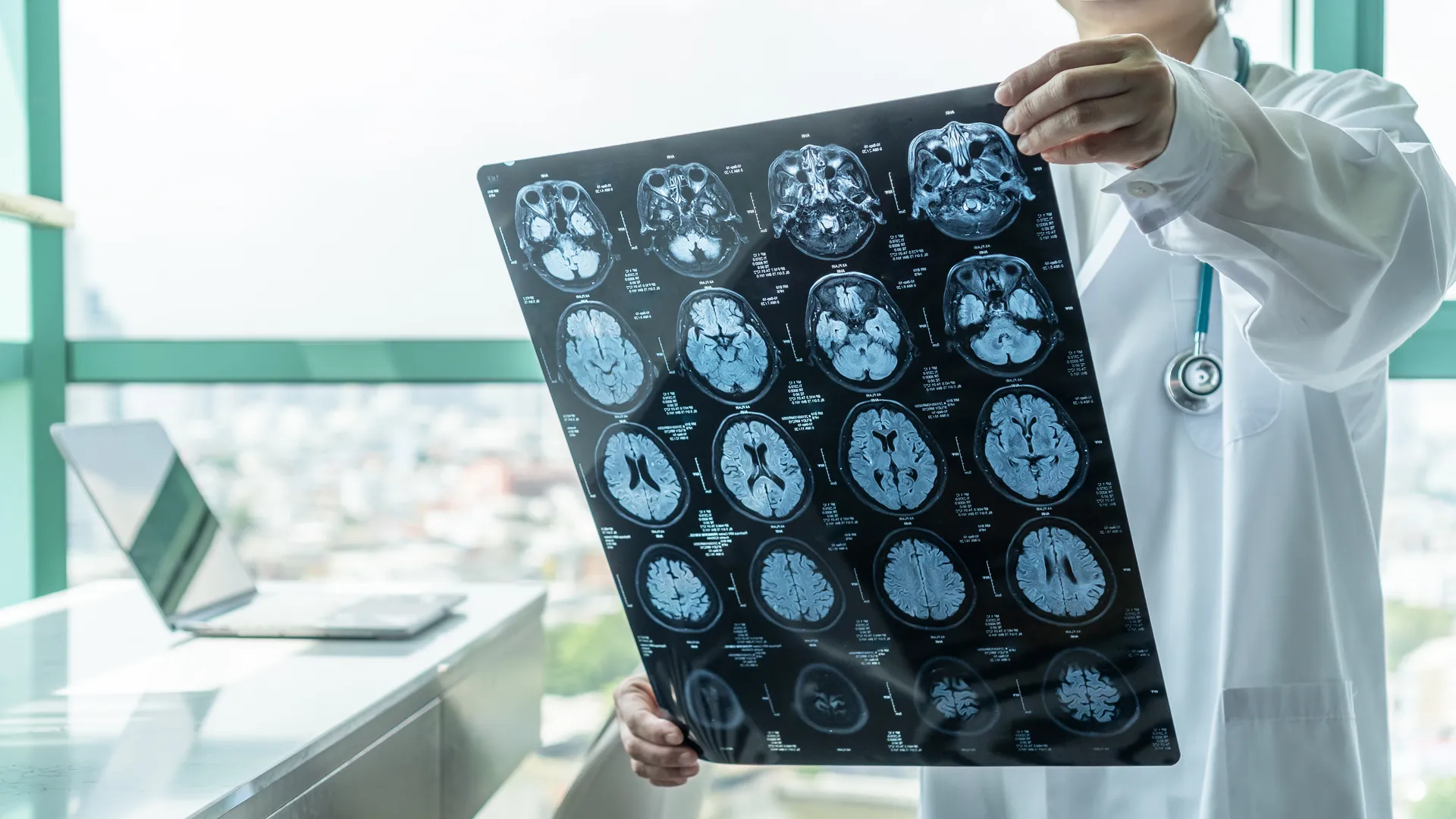
You did everything right. You went through rehab, followed every instruction, showed up for every appointment. And still, months or years later, the fog remains. SeeBeyond Medicine offers deep transcranial magnetic stimulation (TMS) at our Scarsdale, NY office and Greenwich, CT office for patients living with the lasting effects of brain injury.
Your brain has not stopped trying to heal. We are here to help it.
Credentials
91% TMS Response Rate
SeeBeyond Medicine's deep TMS program has treated over 30 neurological and psychiatric conditions with a 91% response rate. Dr. Hyun Joon Lee, triple board-certified in Family Medicine, Integrative Holistic Medicine, and Obesity Medicine, leads a physician team with 20,000+ patient relationships built since 2006.
Deep TMS Subcortical Access
Our deep TMS technology reaches subcortical structures that standard TMS devices cannot. For brain injury patients, this depth matters because damage rarely stays on the surface.
About This Service
What Is TMS for Chronic Brain Injury?
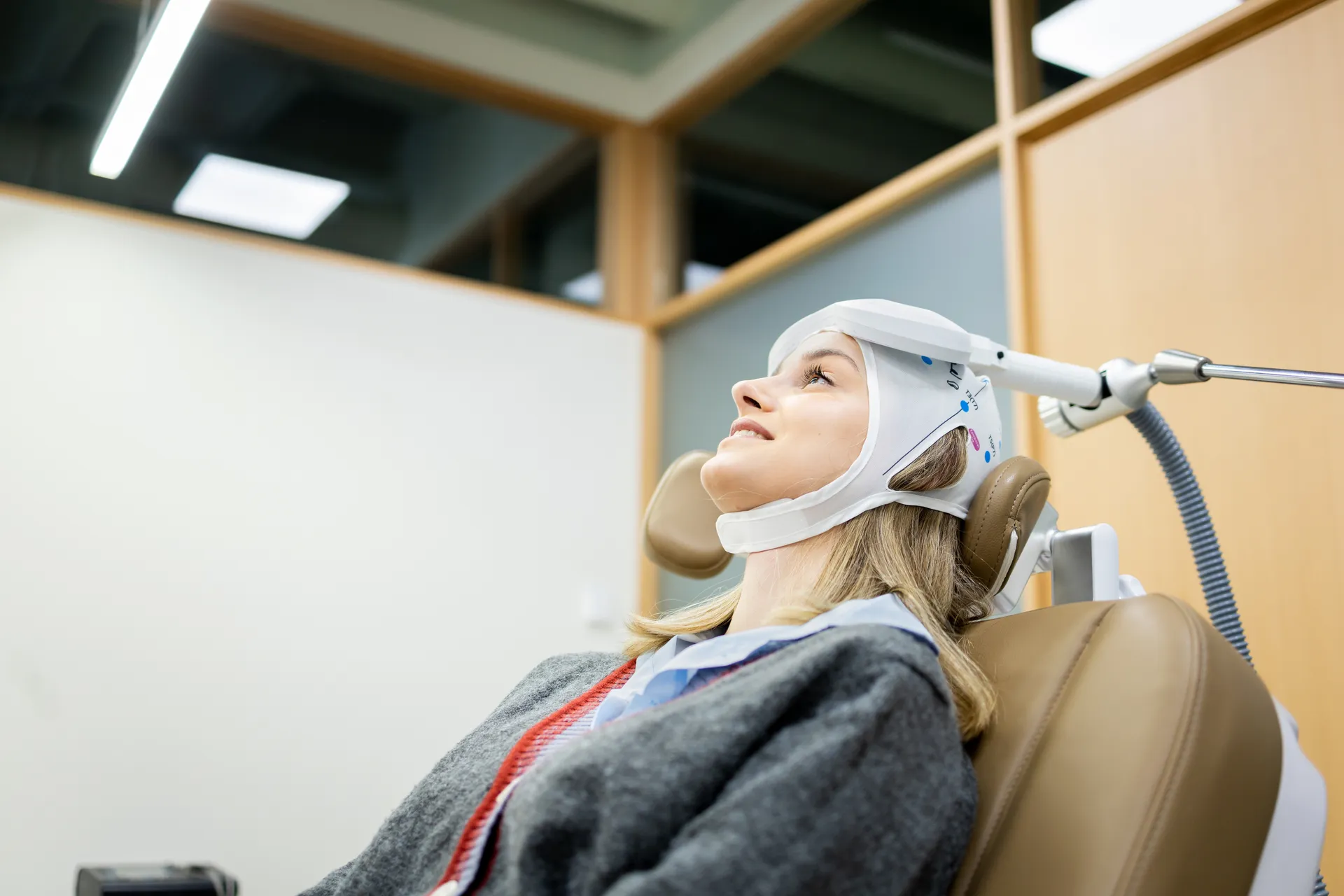
Deep transcranial magnetic stimulation for chronic brain injury delivers focused magnetic pulses to perilesional cortex and functionally connected brain regions, promoting neuroplasticity, strengthening weakened neural pathways, and restoring connectivity disrupted by traumatic, hypoxic, or vascular brain damage sustained months or years prior.
SeeBeyond Medicine's condition-specific protocols address post-acute phase deficits — the persistent symptoms that remain after initial recovery has plateaued. The mechanism involves long-term potentiation and synaptic remodeling, encouraging the brain to form new functional connections around damaged tissue.
This is not about starting over. It is about giving your brain the signal it needs to resume healing.
Conditions Treated
Persistent Cognitive Deficits
Memory gaps, attention difficulty, and slowed processing speed following brain injury respond to targeted prefrontal cortex stimulation. SeeBeyond Medicine maps your specific cognitive losses to design a personalized protocol.
Persistent Cognitive Deficits
Memory gaps, attention difficulty, and slowed processing speed following brain injury respond to targeted prefrontal cortex stimulation. SeeBeyond Medicine maps your specific cognitive losses to design a personalized protocol.
Chronic Post-Traumatic Headache
TMS modulates pain-processing circuits to reduce headache frequency and intensity in brain injury patients. SeeBeyond Medicine evaluates headache patterns as part of your broader neurological picture.
Emotional and Behavioral Changes
Irritability, depression, and emotional lability after brain injury often reflect disrupted prefrontal-limbic connectivity. These shifts are not character flaws. SeeBeyond Medicine's deep TMS protocols target the neural circuits governing emotional regulation to restore stability.
Benefits
Neuroplasticity Beyond the Recovery Window
Neuroplasticity Beyond the Recovery Window
Long-term potentiation and synaptic remodeling do not have an expiration date. SeeBeyond Medicine uses TMS to stimulate dormant neural pathways well after the acute rehabilitation phase has ended.
Non-Invasive and Sedation-Free
TMS requires no surgery, no anesthesia, and no new medications. SeeBeyond Medicine patients remain fully awake and alert during every session.
Root-Cause Integrative Protocol
Our physicians combine TMS with NAD+ IV therapy, nutritional support, and cognitive rehabilitation strategies. SeeBeyond Medicine's whole-person approach addresses the biological environment your brain needs to rebuild.
What to Expect
Your Journey
01.
1. Neurological and Cognitive Assessment
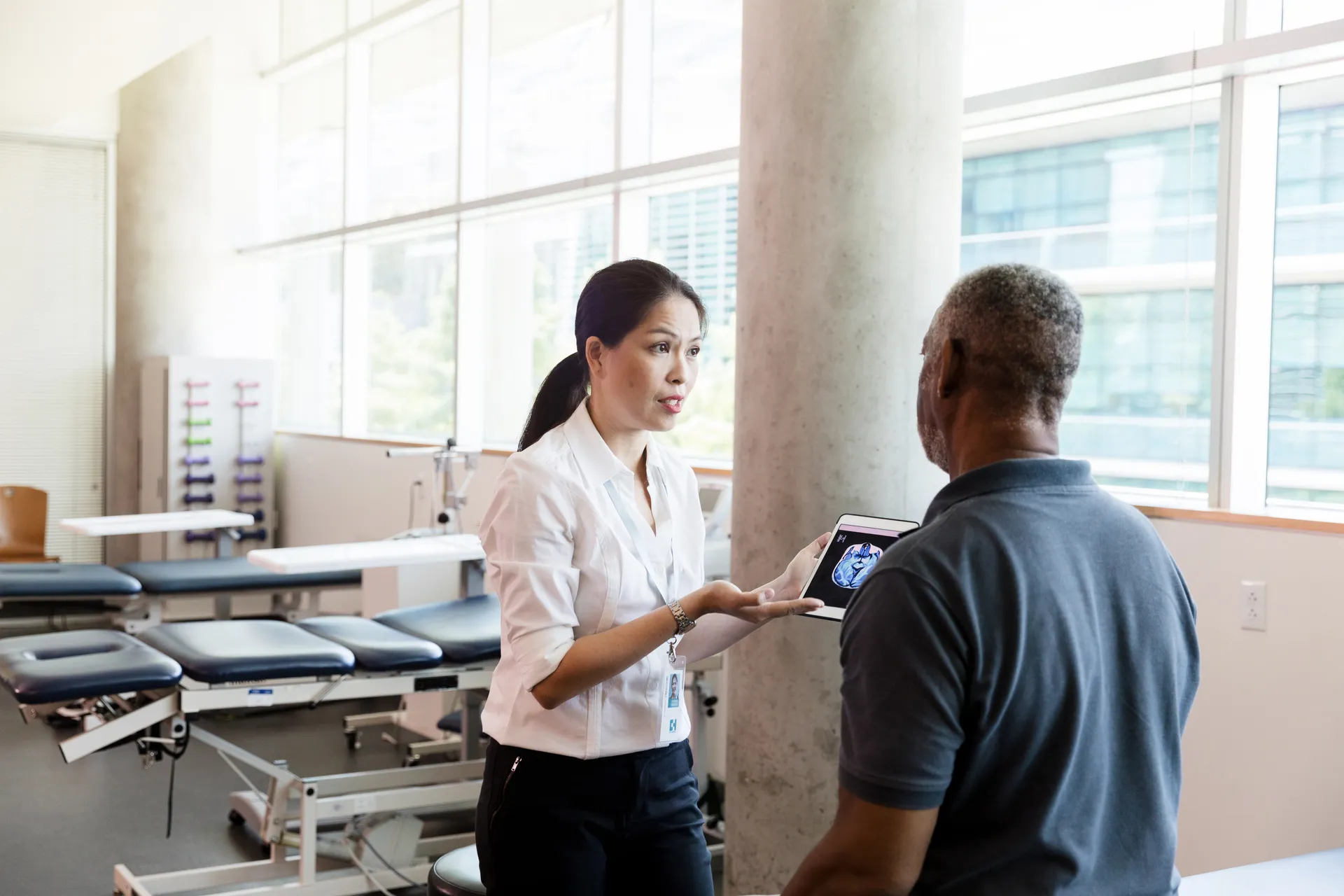
Your evaluation begins with detailed neurological and cognitive testing to identify the specific deficits and brain regions most affected by your injury. SeeBeyond Medicine reviews prior imaging, rehabilitation records, and your lived experience of how the injury changed your daily life.
02.
2. Condition-Specific Protocol Design
SeeBeyond Medicine designs a deep TMS protocol targeting your affected perilesional cortex and functionally connected networks. Treatment frequency is typically 5 sessions per week for 4 to 6 weeks.
03.
3. Supervised Treatment Sessions
Each session lasts approximately 20 to 30 minutes at our Scarsdale or Greenwich office. SeeBeyond Medicine monitors neurological response and comfort throughout every visit.
04.
4. Outcome Measurement and Maintenance
Post-treatment cognitive testing quantifies your improvement. SeeBeyond Medicine compares pre- and post-treatment scores and adjusts maintenance session scheduling based on your trajectory.
What Our Patients Say
Patient Experiences
Real stories from patients who found answers.
Real reviews from SeeBeyond Medicine patients. Service-specific reviews populate this section via our Google reviews widget at build time.
"SeeBeyond has completely transformed my health and the way I approach it. In just one year, my gut health completely reset, my mindset shifted, my stress levels dropped, and I finally built a strong foundation for what works for me. Their holistic, personalized approach is unlike anything I've ever experienced."
— Ariana Nero, (6 months ago)
"SeeBeyond and Dr. Lee are amazing! The time they take to understand and address everything makes a huge difference. It's clear that the entire team is dedicated to providing exceptional care. Highly recommend!"
— Kara Walsh, (a year ago)
Frequently Asked Questions
Common Questions
How long after brain injury can TMS still help?
TMS promotes neuroplasticity years after the initial injury. SeeBeyond Medicine evaluates patients regardless of time since injury. The brain retains recovery potential well beyond the traditional rehabilitation window.
Is TMS safe for patients with prior brain injury?
SeeBeyond Medicine conducts thorough screening, including seizure risk assessment, before initiating treatment. Deep TMS has an established safety profile in neuromodulation research with careful patient selection.
How many sessions are needed?
A standard course at SeeBeyond Medicine includes 20 to 30 sessions over 4 to 6 weeks. Some patients benefit from extended or maintenance protocols based on their individual response.
Can TMS be combined with other therapies?
Yes. SeeBeyond Medicine pairs TMS with NAD+ IV therapy, nutritional support, and cognitive rehabilitation. This integrative approach supports recovery from multiple biological pathways simultaneously.
Related Services
Related Services at SeeBeyond Medicine
- TMS Therapy Overview — Our full deep TMS program
- TMS Post-Concussion Care — Concussion recovery support
- TMS Brain Injury Rehabilitation — Acute-phase brain injury TMS
- TMS Stroke Rehabilitation — Stroke recovery support
- IV NAD+ Therapy — Neuroprotective IV support
Take the First Step
Your Brain Has Not Given Up. Neither Should Your Treatment.
Even if rehabilitation plateaued months ago and conventional options feel exhausted, deep TMS may reactivate recovery pathways your brain could not access on its own. SeeBeyond Medicine's neuromodulation team in Scarsdale and Greenwich sees chronic brain injury patients at every stage.