What Is Seasonal Affective Disorder?
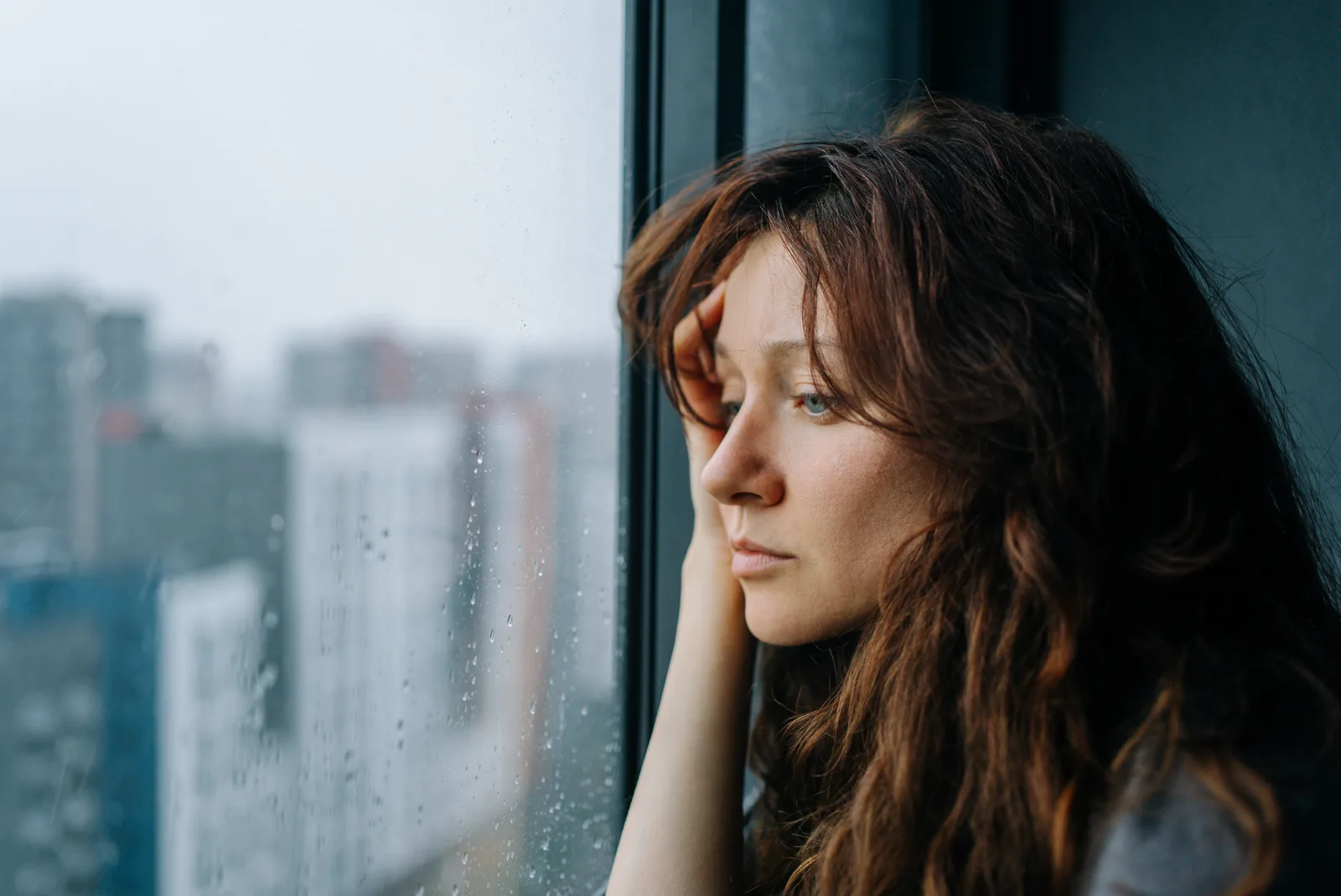
Seasonal affective disorder (SAD) is a type of depression with a recurrent seasonal pattern. Symptoms typically start in late fall or early winter and ease in spring and summer. The American Psychiatric Association notes that the DSM-5-TR classifies it as "major depressive disorder with seasonal pattern."
If this describes your last few winters, you are not imagining it, and you do not have to wait it out. The sections below cover what to look for, what helps, and when to ask for more support.
Signs of Winter-Pattern SAD
Winter-pattern SAD includes the general symptoms of depression. The National Institute of Mental Health (NIMH) adds three that are typical of the winter pattern:
- Oversleeping (hypersomnia)
- Overeating, with a craving for carbohydrates that can lead to weight gain
- Social withdrawal, the feeling of "hibernating"
Summer-pattern SAD is less common. NIMH describes it as trouble sleeping (insomnia), poor appetite leading to weight loss, restlessness and agitation, anxiety, and violent or aggressive behavior.
SAD vs the Winter Blues
Cleveland Clinic draws the line this way: winter blues are mild and common in colder months, while SAD is a form of depression that affects daily life, including how a person feels and thinks.
Cleveland Clinic reports that about 5% of adults in the U.S. experience SAD, usually starting between ages 18 and 30, and that about 10% to 20% of people in America may get a milder form of the winter blues. The American Psychiatric Association also puts SAD at about 5% of adults and says it typically lasts about 40% of the year.
A diagnosis requires depressive episodes in a specific season for at least 2 consecutive years, and those seasonal episodes must be more frequent than episodes at other times of year. NIMH also stresses that the depression in SAD is related to changes in daylight hours, not the calendar, so holiday stress is not the same as SAD.
Why Shorter Days Affect Mood
Research suggests that people with winter-pattern SAD have reduced activity of the brain chemical serotonin and produce too much melatonin. Vitamin D is believed to promote serotonin activity. NIMH presents these as research findings, not settled causes, and you should read them that way.
Who Is More Likely to Get SAD
NIMH says SAD occurs much more often in women than in men. It is more common in people living farther north, where winter daylight is shorter, and in people with depression or bipolar disorder. It sometimes runs in families. The American Psychiatric Association likewise lists higher latitudes, younger people and women.
Light Therapy: How to Use It
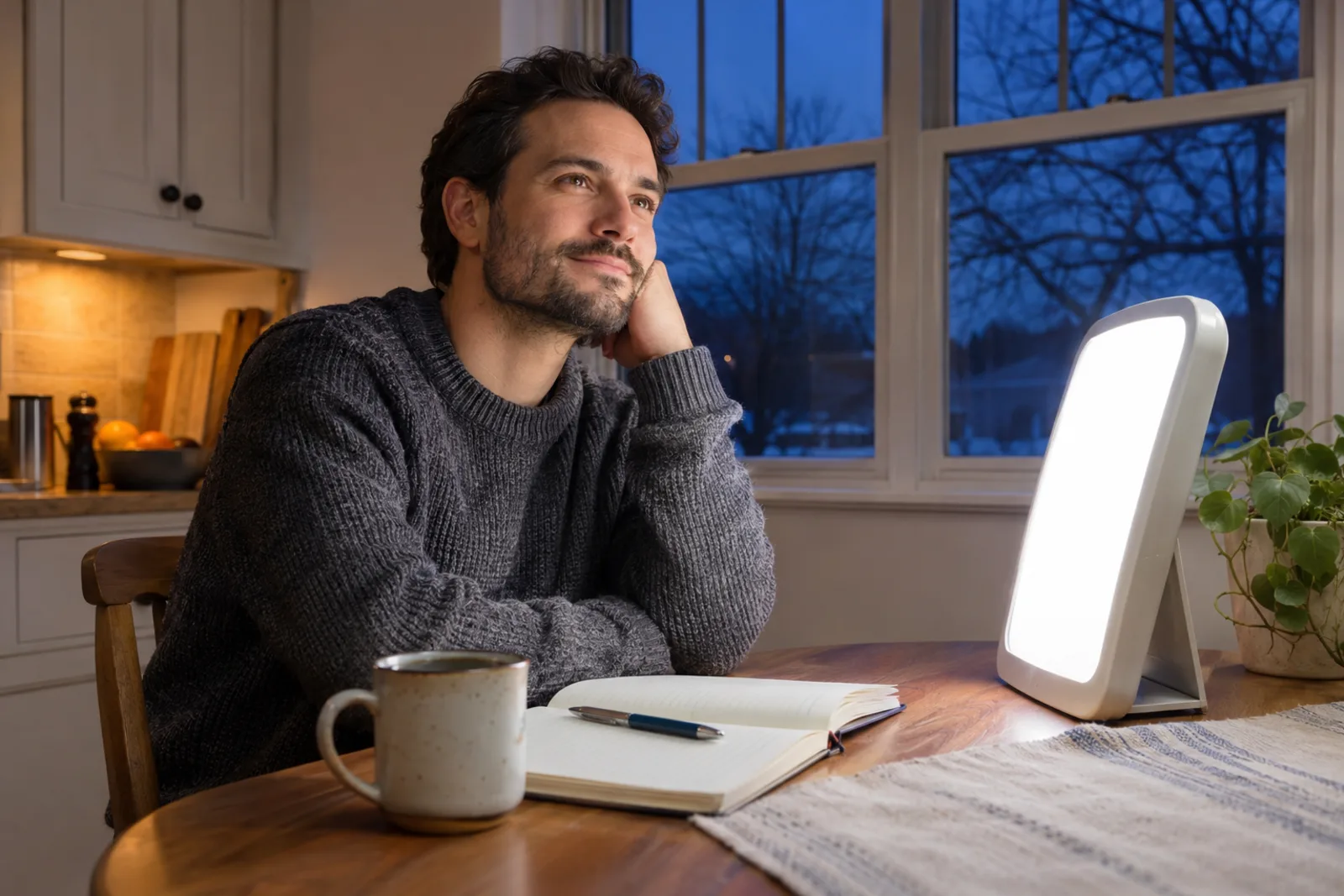
Light therapy means sitting in front of a very bright light box every day. NIMH describes a 10,000 lux box used for about 30 to 45 minutes, usually first thing in the morning, from fall to spring. Cleveland Clinic describes a typical routine as 15 to 30 minutes every morning. Both agree on the basics: 10,000 lux, morning use. Cleveland Clinic advises starting at the beginning of fall, before symptoms appear.
Side effects can include eyestrain, fatigue, headaches, insomnia and irritability. Do not use tanning beds, which emit high levels of UV rays that can harm skin and eyes.
Tell your provider before you start if you have bipolar disorder, since bright light can trigger hypomania or mania. Tell them too if you have diabetes, a retina condition or an eye disease, because of a potential risk of retinal damage. NIMH also advises caution for people taking certain medications.
A 2005 meta-analysis in the American Journal of Psychiatry found that bright light therapy and dawn simulation produced effect sizes the authors judged equivalent to those in most antidepressant drug trials. They also noted that many light-therapy studies lacked rigorous designs.
Talk Therapy: CBT-SAD
Cognitive behavioral therapy for SAD (CBT-SAD) is typically conducted in two weekly group sessions for 6 weeks, according to NIMH.
A study reported by the University of Vermont followed 177 participants. In the first winter after treatment, CBT and light therapy gave comparable relief. Two winters later, 46 percent of the light therapy group reported a recurrence of depression, compared with 27 percent of the CBT group.
Medication
Some antidepressants are used for SAD. The label for Wellbutrin XL (extended-release bupropion) lists prevention of seasonal major depressive episodes in patients with a diagnosis of SAD. As the label describes it, treatment starts in the autumn before symptoms begin, continues through winter, and is tapered and stopped in early spring.
The same label carries a boxed warning: antidepressants increased the risk of suicidal thoughts and behavior in children, adolescents and young adults in short-term trials.
Medication decisions belong with a clinician who knows your history. Do not start, stop or change a medication on your own.
Vitamin D, Daily Habits and What the Evidence Says
NIMH says studies testing vitamin D as a treatment for SAD have produced mixed results. If you are curious about the connection, read why vitamin D drops in winter.
Cleveland Clinic suggests several daily habits: spend time outside every day even if it is cloudy, try to get 30 minutes of exercise at least three times a week, get enough sleep, eat balanced meals and manage stress. These are supportive steps and do not replace treatment.
When Depression Does Not Respond to Standard Treatment
TMS and ketamine are not SAD-specific treatments. They are depression treatments for people who have not improved with standard care, and they may be worth discussing if that is your situation.
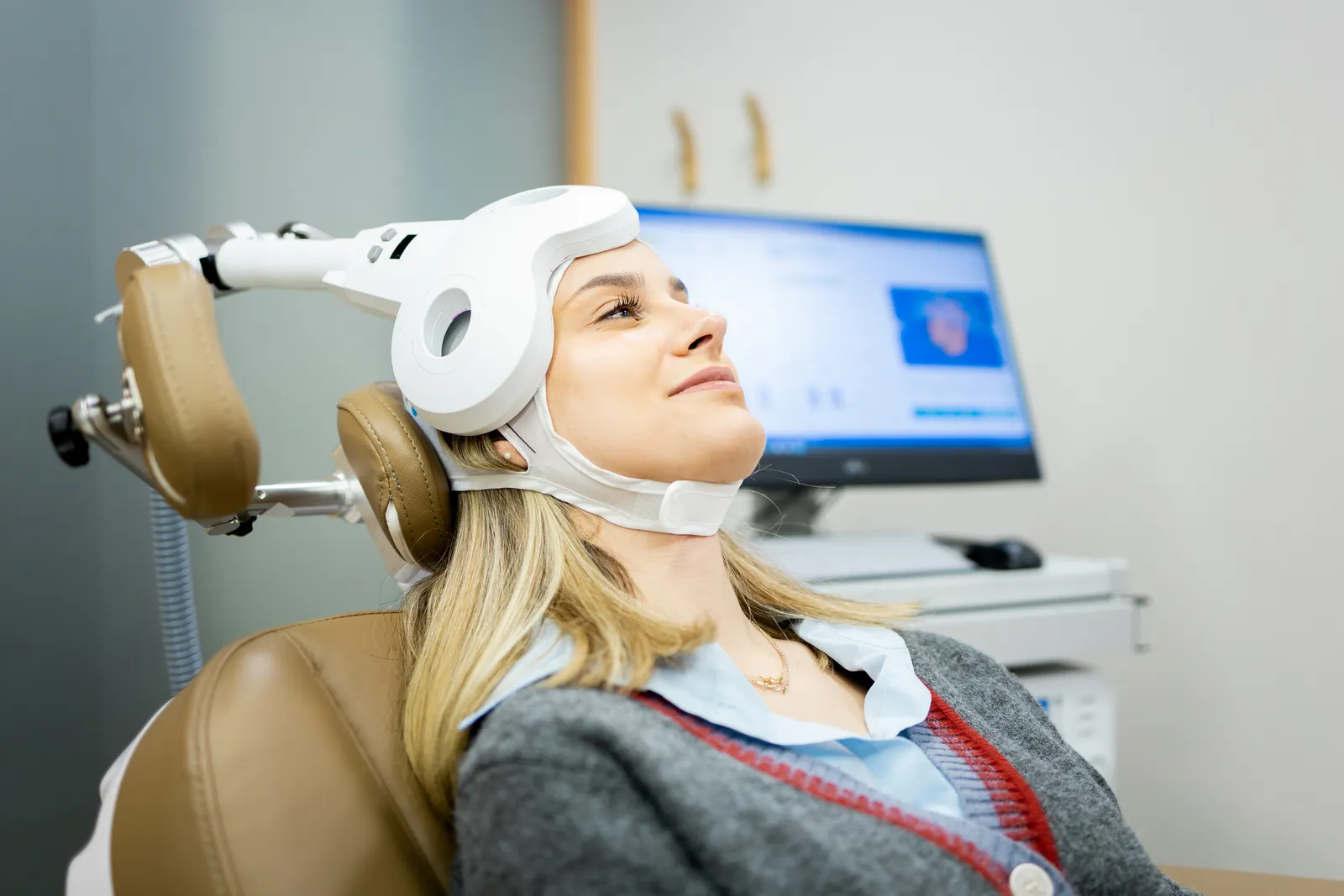
TMS. On October 7, 2008, the FDA cleared the NeuroStar TMS System to treat major depressive disorder in adults who have failed to improve on at least one antidepressant. You can learn more about TMS therapy, TMS for anxiety and mood disorders, and in our complete guide to Deep TMS.
Ketamine. The FDA's March 2019 label for Spravato (esketamine) nasal spray covers treatment-resistant depression in adults, in conjunction with an oral antidepressant. It is available only through a restricted program (REMS) in certified healthcare settings. It is taken under direct observation of a healthcare provider, with monitoring for at least 2 hours after each dose. Intravenous ketamine, by contrast, is not FDA-approved for treatment-resistant depression and is used off-label. To learn more, see physician-supervised ketamine therapy and ketamine therapy for treatment-resistant depression.
How SeeBeyond Medicine Approaches Winter Depression
See beyond your symptoms. We listen before we test. Then we look for contributors that can sit alongside, or feel like, seasonal depression: thyroid function, anemia, low vitamin D, sleep and hormones. A comprehensive blood panel and neurotransmitter testing are part of how we test before treating, so the plan addresses the cause rather than the symptom.
From there, your plan is personalized. It can include the evidence-based options above, and our brain health care team can discuss next steps if standard treatment has not helped. Care is directed by a physician board-certified in Family Medicine, Integrative Holistic Medicine, and Obesity Medicine. You can be seen in person or by telemedicine.
When to Get Help Right Away
If you are having thoughts of harming yourself, or you cannot function day to day, get help now. You can call, text, or chat with a counselor anytime, day or night, through the 988 Suicide & Crisis Lifeline by dialing or texting 988.
Key Takeaways
- SAD is a recognized form of depression that returns at the same time each year, most often in late fall and winter.
- Oversleeping, carbohydrate cravings, weight gain and pulling away from people are typical winter signs.
- Morning light therapy with a 10,000 lux box, CBT-SAD and some antidepressants all have evidence behind them.
- Starting treatment in early fall, before symptoms begin, can help prevent an episode.
- If depression does not improve with standard treatment, options such as TMS or supervised ketamine may be worth discussing with a physician.
Related Resources
- Read our complete guide to Deep TMS for how the treatment works and what a course involves.
- Read ketamine therapy for treatment-resistant depression for how supervised ketamine is used.
- Learn why vitamin D drops in winter and when a blood test makes sense.
- Explore TMS for anxiety and mood disorders if worry travels with your low mood.
You Do Not Have to Wait for Spring
Even if you have been told it is just the weather, a real conversation about your winters can start with your history and the right tests. We see patients at our Scarsdale, NY office in Westchester County, at our Greenwich, CT office in Fairfield County, and by telemedicine.
This article is for general education and does not replace a medical evaluation. Treatment decisions depend on your history, medications, and lab work. Speak with a qualified clinician before starting, stopping, or changing any therapy.