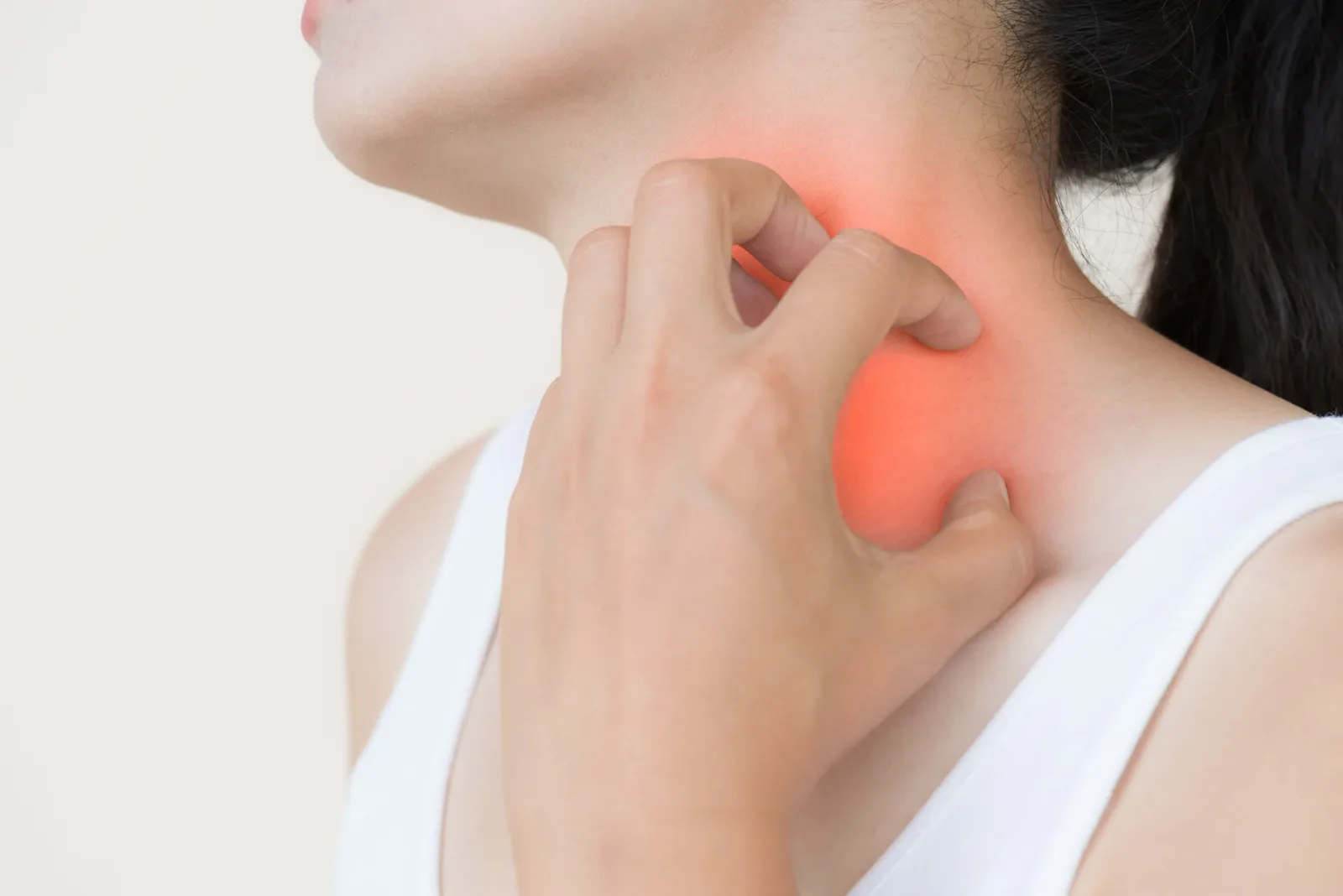

Those reactions often trace back to histamine intolerance, and a low-histamine diet is where most people start to feel steady again. This guide covers which foods to limit, what to eat instead, and how the DAO enzyme fits into the plan.
What histamine intolerance actually is
Histamine is a chemical messenger your body makes and also absorbs from food. Histamine intolerance develops when histamine builds up faster than your body can clear it. The diamine oxidase (DAO) enzyme handles most of that clearing inside your gut.
Histamine is best known as the trigger behind allergy symptoms like sneezing and itching. It also regulates stomach acid, alertness, and immune signaling, which is why an overload shows up as headaches, flushing, hives, and digestive trouble rather than a classic allergy.
When DAO activity runs low, food histamine slips past the gut lining and reaches your bloodstream intact. For the full picture of the two enzymes involved, read what histamine intolerance is and how it relates to DAO and HNMT.
Why a low-histamine diet helps
A low-histamine diet works on the one variable you control at the table: the histamine coming in. Lower the incoming load and your DAO enzyme has less to break down.
Low DAO activity lets histamine accumulate in the gut, where it drives reflux, bloating, and loose stools. Cutting high-histamine foods eases that pressure while you and your physician look for the root cause underneath.
The diet is a starting point, not a life sentence. Most people use a stricter phase for a few weeks, watch which symptoms fade, then widen the plate back out as tolerance returns.
High-histamine foods to limit
Histamine climbs whenever food ages, ferments, or sits as a leftover. Bacteria convert the protein into biogenic amines, so the older the food, the higher the load.
These foods carry the heaviest histamine load and are usually the first ones to pull:
| Food group | Common examples |
|---|---|
| Aged and fermented | Aged cheese, salami, sauerkraut, kimchi |
| Fermented drinks | Wine, beer, kombucha |
| Cured or leftover protein | Smoked fish, deli meat, reheated meals |
| Other staples | Vinegar, soy sauce, canned fish |
Leftovers deserve a special mention. A fresh chicken breast is low in histamine at dinner and much higher after two days in the fridge, so cook to eat rather than to store.
Low-histamine foods to enjoy
The low end of the scale is wider than it first looks. Fresh, simply prepared food gives you real meals rather than a short list of exceptions.
Fresh and freshly cooked foods sit lowest and leave you room to eat well:
| Food group | Low-histamine choices |
|---|---|
| Fresh protein | Freshly cooked chicken, fresh fish, eggs |
| Vegetables | Zucchini, carrots, leafy greens, broccoli |
| Fruit | Apples, pears, blueberries, mango |
| Grains and fats | Rice, oats, olive oil |
Freshness is the theme that ties the list together. Buy protein close to when you plan to cook it, and freeze extra portions instead of letting them age in the refrigerator.
Histamine liberators and DAO-blocking foods to watch
Some foods cause trouble without being high in histamine themselves. This is the part of the diet that trips up beginners who only cut the aged cheese and wine.
Histamine liberators prompt your own mast cells to release stored histamine. Citrus, strawberries, tomatoes, and chocolate are common culprits even when they look innocent on a food list.
DAO blockers work from the other direction by suppressing the enzyme that clears histamine. Alcohol is the strongest one, with black tea, green tea, and energy drinks close behind.
A short experiment sorts this out. Once your aged and fermented foods are gone, test these two groups one at a time, and lean on DAO foods for histamine intolerance relief and foods that increase the DAO enzyme to rebuild the plate.
A simple way to start: a sample low-histamine day
The fastest way to begin is to copy a plain day rather than redesign every meal at once. Keep portions fresh, keep leftovers out, and repeat what works.
Here is one low-histamine day you can copy on a rough week:
| Meal | Example |
|---|---|
| Breakfast | Oats with pear and a boiled egg |
| Lunch | Freshly cooked chicken, rice, and zucchini |
| Snack | An apple with a handful of fresh nuts |
| Dinner | Baked fresh fish with carrots and greens |
Track how you feel for a week or two. A short food and symptom diary turns a vague hunch into a pattern you and your physician can actually read.
The DAO enzyme: how diet and DAO support work together
Diet lowers the histamine coming in, and the DAO enzyme clears what remains. When your own DAO runs short, the two levers stop keeping pace with each other.
That gap is where targeted support fits. The physician-formulated DAO-HIST supplement provides diamine oxidase to help break down food histamine at the point where it enters, alongside the diet rather than in place of it.
Supplements are one option among several, and the right one depends on your labs. Our guide to DAO enzyme deficiency supplements and natural remedies walks through the choices before you buy anything.
Test, don't guess. Matching support to a measured deficiency beats reacting to whichever product a forum recommended this month.
Common low-histamine diet mistakes
The diet fails most often for reasons that have nothing to do with willpower. A few predictable missteps account for most of them.
Cutting everything at once
Stripping the diet down to a dozen foods is hard to sustain and hard to learn from. Pull the highest-histamine foods first, then adjust based on what actually changes.
Ignoring liberators and blockers
People remove the aged cheese, keep drinking wine and black tea, then decide the diet does not work. The liberators and DAO blockers matter as much as the obvious offenders.
Forgetting the bigger picture
Food is one input. Gut health, mast cell activity, and low DAO all feed histamine intolerance, and mast cells and low DAO enzyme activity explains how those pieces connect.
When to get tested instead of guessing
A low-histamine diet tells you a lot, but it cannot measure your DAO activity or rule out the conditions that mimic histamine intolerance. That takes real testing.
SeeBeyond Medicine has practiced integrative and functional medicine since 2006, with offices in Scarsdale, NY and Greenwich, CT and more than 20,000 patients treated. The team looks at DAO activity, gut function, and histamine load together rather than one symptom at a time.
Test, don't guess! Trading weeks of trial and error for a clear result is usually the faster route back to a normal plate.