
The Role of Histamine and Relationship to Histamine Intolerance
Histamine is involved in various physiological processes as both a neurotransmitter and inflammatory mediator. As an immunomodulator, it plays roles in allergy responses and gastric acid secretion. It is also released by basophils and mast cells during inflammation or infection.
DAO catalyzes the oxidative deamination of histamine through metabolic pathways in the intestinal mucosa and liver. This degradation prevents excess histamine from affecting tissues and helps regulate physiological levels.
Histamine intolerance occurs when insufficient DAO activity results in an inability to metabolize ingested or bodily-produced histamine loads. Symptoms may include headaches, digestive issues, and skin reactions. Potential triggers include foods high in histamine or simplified amino acid ingestion exceeding the capacity for DAO to degrade histamine.
The following section will explore how enzyme activity measurements can provide insight into DAO levels and potential for degrading histamine levels that could lead to intolerance symptoms.
Measuring Enzymatic Activity to Understand DAO Levels
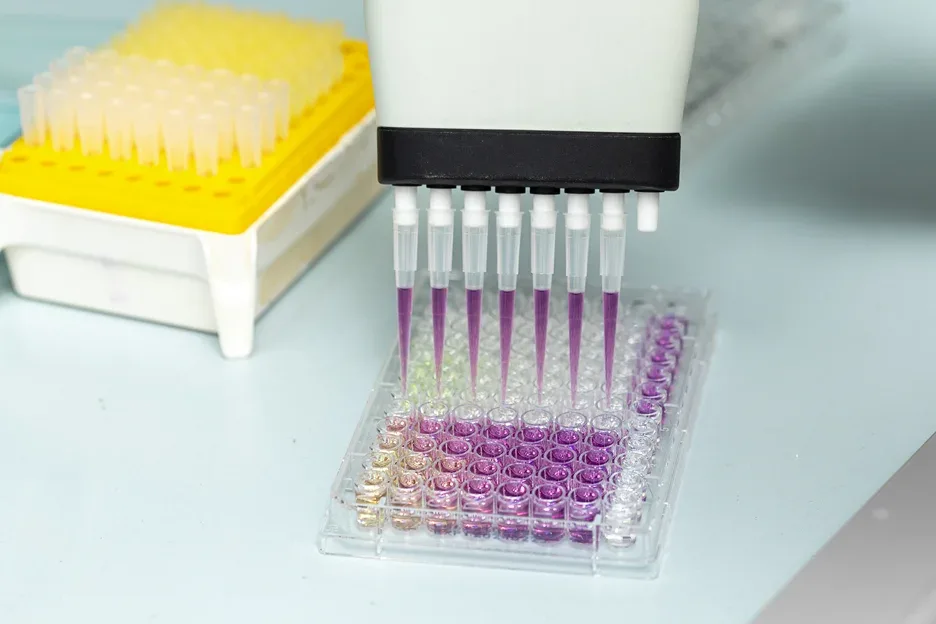
Enzymatic activity refers to the rate of catalytic activity an enzyme exerts in metabolic reactions. It is quantified through kinetic assays performed under controlled conditions to isolate the enzymatic reaction from outside variables.
For DAO, activity levels directly correlate to its capacity for histamine degradation and ability to regulate intracellular histamine concentrations. Higher DAO activity signifies more efficient oxidative deamination of any excess histamine ingested or produced in the body.
Several methods exist for measuring DAO activity. The classic approach involves spectrophotometrically monitoring the appearance of a colored product as the enzymatic reaction progresses over time. This allows generation of a rate curve from which activity can be derived.
Modern assays often utilize chromatographic or mass spectrometry techniques for more sensitive analysis. High-performance liquid chromatography (HPLC) separates and detects reaction components, quantifying conversion rates. Mass spectrometry offers specificity through molecular ion scanning.
No matter the analytic method, DAO activity is typically reported in international standardized units of micromoles of substrate converted per minute per milligram of enzyme (U/min/mg).
| Assay Method | Principles | Sensitivities | Considerations |
|---|---|---|---|
| Spectrophotometric | Colorimetric product detection | ± 5-10 U/ml | Less sensitive; requires optimized conditions |
| HPLC | Chromatographic separation and detection | ± 1 U/ml | More sensitive; specialized equipment needed |
| Mass Spec | Molecular ion detection | ± 0.1 U/ml | Highly sensitive; expertise and costs greater |
Lower DAO activities are frequently seen in conditions linked to histamine intolerance, where excess histamine overwhelms degradation pathways. Measuring a supplement's DAO activity profile could help evaluate its utility for supporting intolerant individuals.
Kinetic studies directly comparing white pea extract to human intestinal DAO constituents may illuminate functional similarities and differences between the plant and human enzymes. This could offer insights for therapeutic applications in histamine intolerance.
Histamine Intolerance: Manifestations and Links to DAO Dysfunction

Histamine intolerance arises due to an inability to properly metabolize dietary and endogenous histamine. Without sufficient DAO, excess histamine persists systemically to trigger various symptoms.
Reactions often involve the skin (hives, rashes), respiratory tract (sneezing, congestion) or gastrointestinal system (diarrhea, abdominal pain). Neurological signs like headaches are also common. Symptom severity ranges from mild to severely disabling.
Triggers routinely implicated include alcoholic beverages, aged cheeses, certain fish/meats. However, intolerances can emerge from low-histamine dietary constituents due to underlying enzymatic deficiencies.
Such deficiencies may stem from primary DAO mutations/polymorphisms but are more commonly secondary. Causes include gastritis reducing DAO-producing gastric microflora or medications inhibiting DAO enzyme functions.
Associated conditions characterized by histamine excess include asthma, rosacea, diabetic neuropathy and rheumatoid arthritis. Lowered DAO activity has been found in ulcerative colitis, mastocytosis and anaphylaxis as well.
While defining diagnostic criteria remains challenging, intolerance management focuses on identifying and minimizing individual trigger intakes. Dietary supplements featuring plant-based DAO sources show potential adjuvant support.